
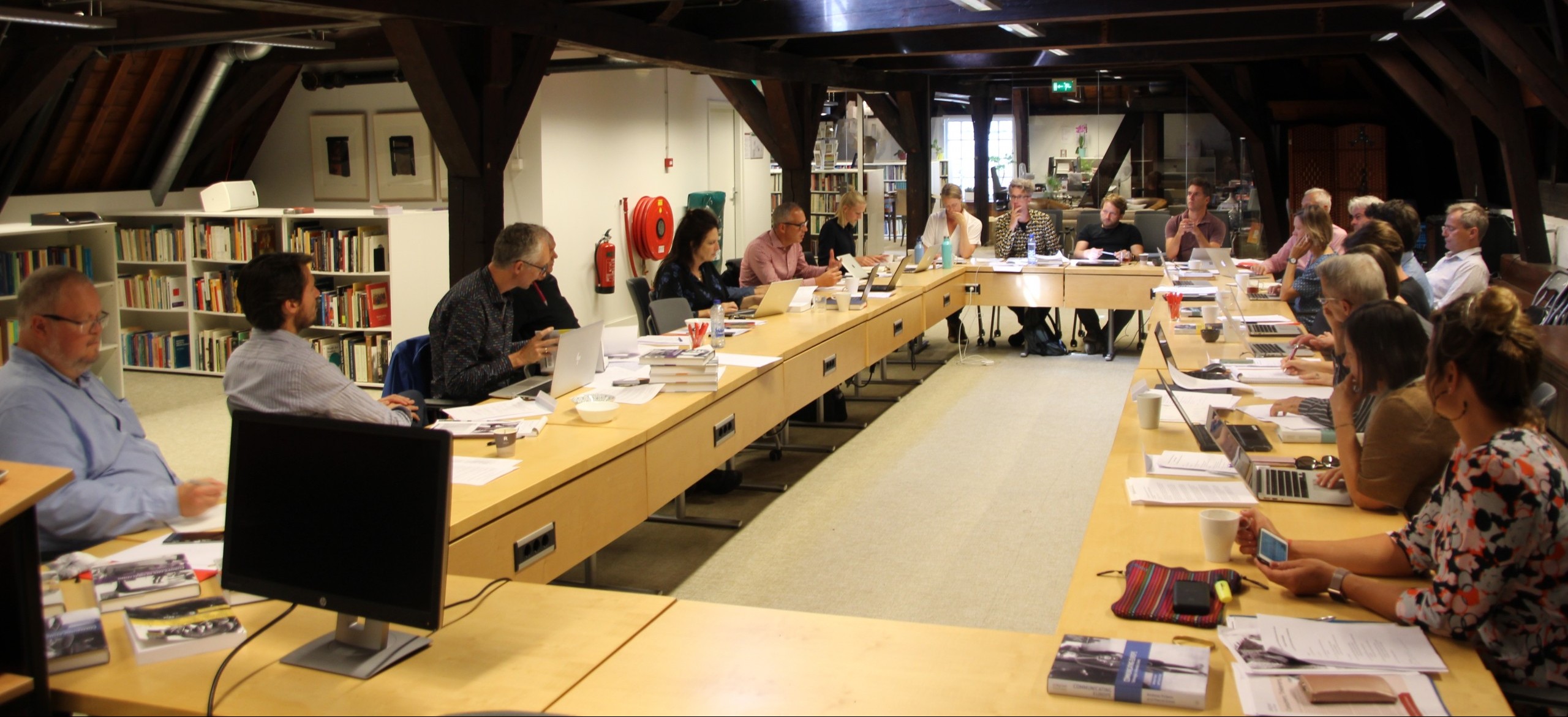
Op initiatief van de SHT werkte een internationale groep historici en sociale wetenschappers tussen 2010 en 2019 aan een nieuwe geschiedenis van Europa. Dit ambitieuze project onder de titel Making Europe: Technology and Transformations, 1850-2000.
Wetenschappers en instituten uit 12 Europese landen en de Verenigde Staten leverden een bijdrage aan Making Europe. Het programma resulteerde onder andere in een zesdelige boekenserie en een reeks via het internet toegankelijke thematische tentoonstellingen (de Inventing Europe Virtual Exhibit). De boekenserie is uitgegeven door Palgrave MacMillan. Johan Schot, voormalig wetenschappelijk directeur van de SHT, en Phil Scranton (Rutgers University, USA) zijn de hoofdredacteuren van de serie. De rijk geïllustreerde serie behoort tot één van de standaardwerken op het terrein van de Europese geschiedenis.

Making Europe boekenserie
De boekenserie omvat de volgende zes delen die via de webshop te bestellen zijn.
MAKING EUROPE BLOG
Nieuw Making Europe initiatief: The Digital Comics
De afronding van de zesdelige Making Europe boekenserie vormt het startpunt om de wetenschappelijke kennis te vertalen naar een breder publiek. Ondersteund door het Deutsches Museum in München
Call for proposals: Tensions of Europe Digital Workshop Festival
The ToE network is planning a digital workshop Festival (28 June-2 July 2021), filling the gap caused by postponing the 10th biennial ToE conference to 6-8 July 2022.
Livestream gesprek Beatrice de Graaf en Johan Schot 7-12-2020
In het kader van het project Making Europe willen wij u graag attenderen op een online livestream gesprek met Beatrice de Graaf en Johan Schot. Zij gaan op zoek naar
Europese educatie met 1000+ objecten
De website Inventing Europe laat studenten aan de hand van meer dan 1000 objecten de geschiedenis van Europa kennen. Deze onlinetool bengt studenten in contact met de Europese geschiedenis door
De rol van techniek en Europese integratie
Making Europe komt op een opportuun moment. De toekomst van Europese integratie staat immers hoog op de politieke én maatschappelijke agenda. Het project laat zien dat Europese integratie veel verder
MAKING EUROPE PODCAST SERIE
Bij de Making Europe boekenserie is een podcast gemaakt. De auteurs van ieder deel worden geïnterviewd door Geraldine Bloomfield. De podcasts geven in een half uur informatie over hun expertise.
Consumers, Tinkerers, Rebels: The People Who Shaped Europe
Wie hanteerde de macht om innovaties vorm te geven, van treinwagon naar computer? Dat waren consumenten en gebruikers, beweert dit eerste deel van Making Europe. Ontdek het onnoemelijke verhaal van de bewegingen van de gebruiker: gewone mensen die zich technologieën hebben toegeëigend – en die deze technologieën hebben gebruikt om Europa in hun eigen beeld te smeden. Auteurs: Ruth Oldenziel and Mikael Hård (2013).
Download recensies
Building Europe on Expertise: Innovators, Organizers, Networkers
Door zich te richten op experts in technologie en wetenschap, biedt Building Europe on Expertise een nieuwe lezing van de Europese geschiedenis. We zien experts de samenleving vormgeven, de politieke agenda bepalen, en grensoverschrijdende samenwerking creëren. En we ontdekken dat de unieke kennis van de experts de sleutel was tot het verenigen – maar ook het fragmenteren – van het continent. Auteurs: Martin Kohlrausch and Helmuth Trischler (2014).
Download recensies
Writing the Rules for Europe: Experts, Cartels, International Organizations
Hoe hebben de Europeanen grensoverschrijdende technologische kwesties genavigeerd in de afgelopen 150 jaar? Ontdek de mensen en instellingen die de regels van overeenkomst van technologie schreven – en herschreven. En begrijp de processen van hoe, lang voordat de EU vorm kreeg, het werk van de integratie van Europa al in volle gang was. Auteurs: Wolfram Kaiser and Johan Schot (2014).
Download recensies
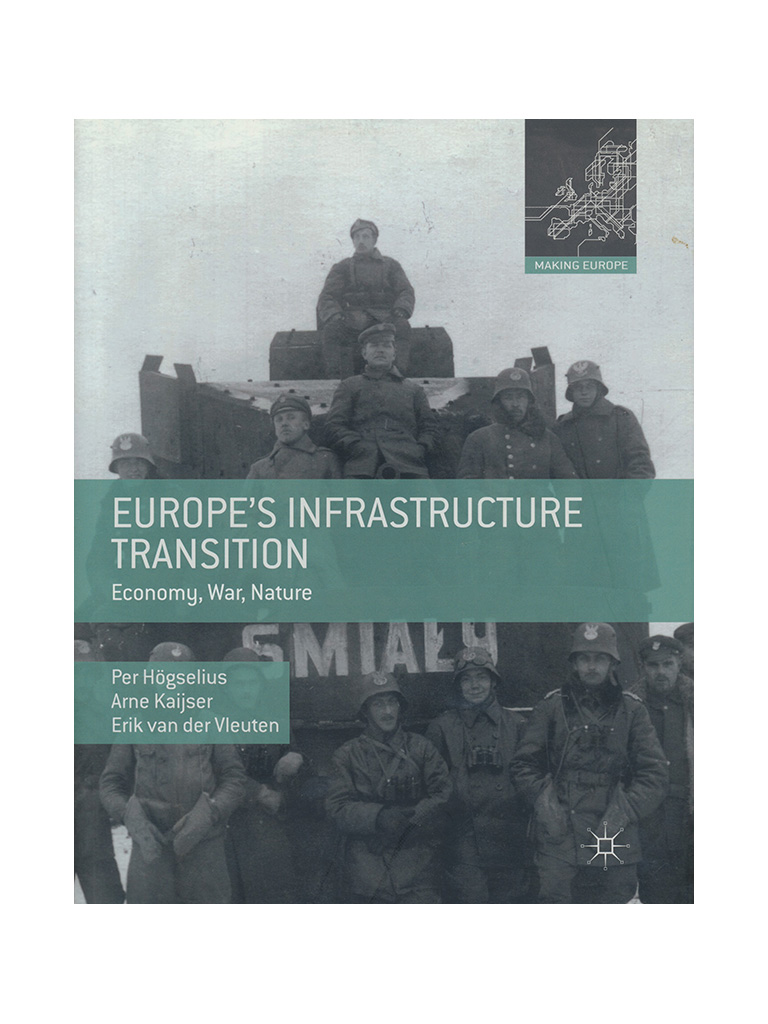
Europe’s Infrastructure Transition: Economy, War, Nature
Europe’s Infrastructure Transition brengt het strijdige verhaal van de Europese integratie in beeld. We leren van de gestelde prioriteiten, de keuzes die gemaakt zijn bij de bouw van infrastructurele verbindingen – binnen en buiten het continent. We zien ook hoe Europa’s infrastructuur mensen en plaatsen zowel verenigd als verdeeld via economische systemen, crises en oorlogen. Auteurs: Per Høgselius, Arne Kaijser en Erik van der Vleuten (2015).
Download recensies
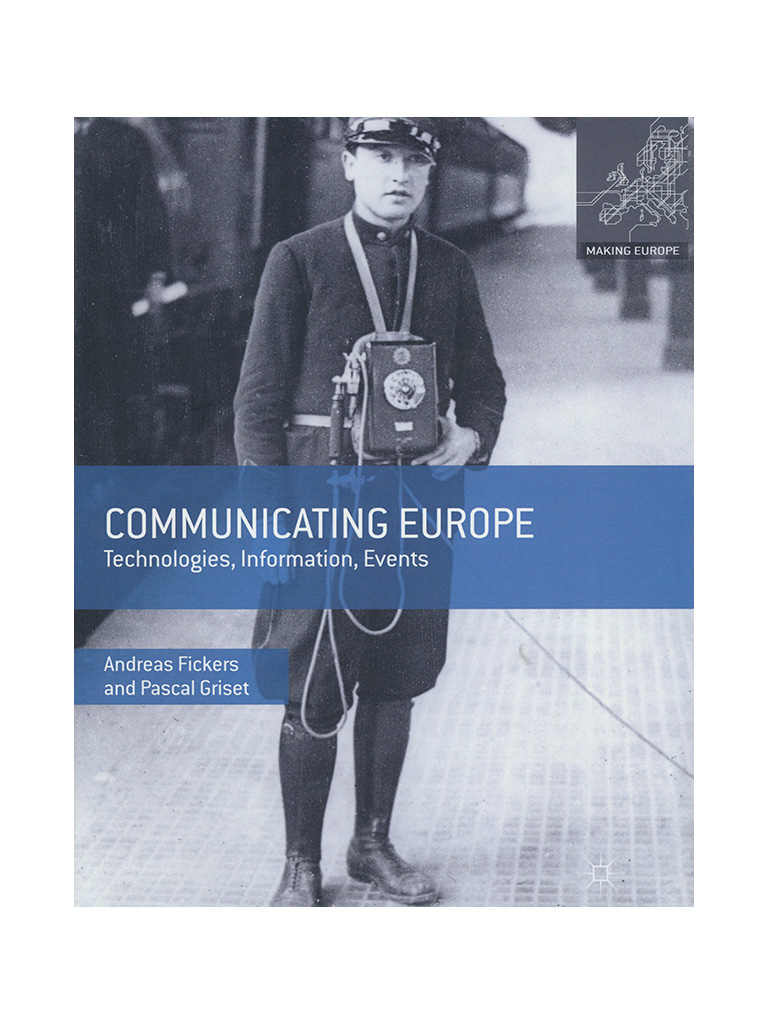
Communicating Europe: Technologies, Information, Events
Informatie en communicatie: deze technologieën vormden de kern van moderniteit. Dit boek gaat in op de spanningen die door deze technologieën op Europees niveau zijn gecreëerd. Hier zijn de technologieën van economische, politieke en culturele belang geanalyseerd, evenals hun betekenis in de ‘Lange Twintigste Eeuw’. Auteurs: Andreas Fickers and Pascal Griset (2019).
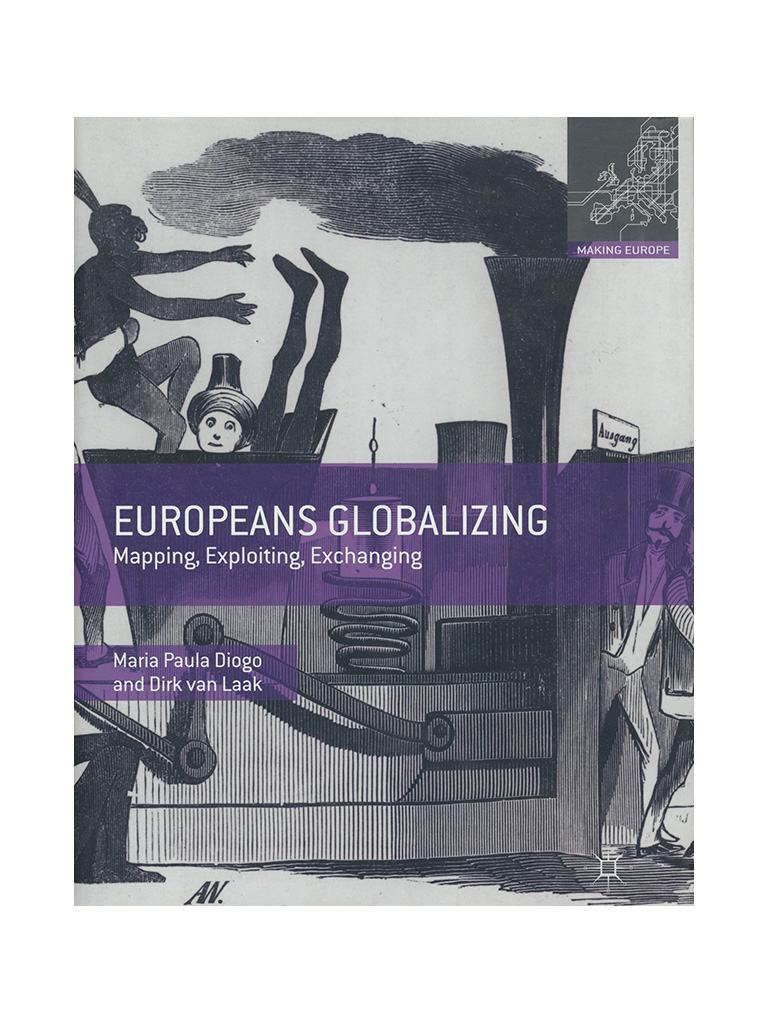
Europeans Globalizing: Mapping, Exploiting, Exchanging
Technologie was de sleutel tot Europees kolonialisme. Via technologie brachten Europeanen niet-Europese gebieden in kaart – en beheersten de stroom van mensen en middelen, goederen en informatie. Lees de verhalen over technologieën die zijn geïntroduceerd en op een creatieve manier in gebruik zijn genomen. Ontdek hoe globalisering zoals we die kennen verschilt van wat de Europeanen ooit bedoelden. Auteurs: Maria Paula Diogo and Dirk van Laak (2018).
Download recensies
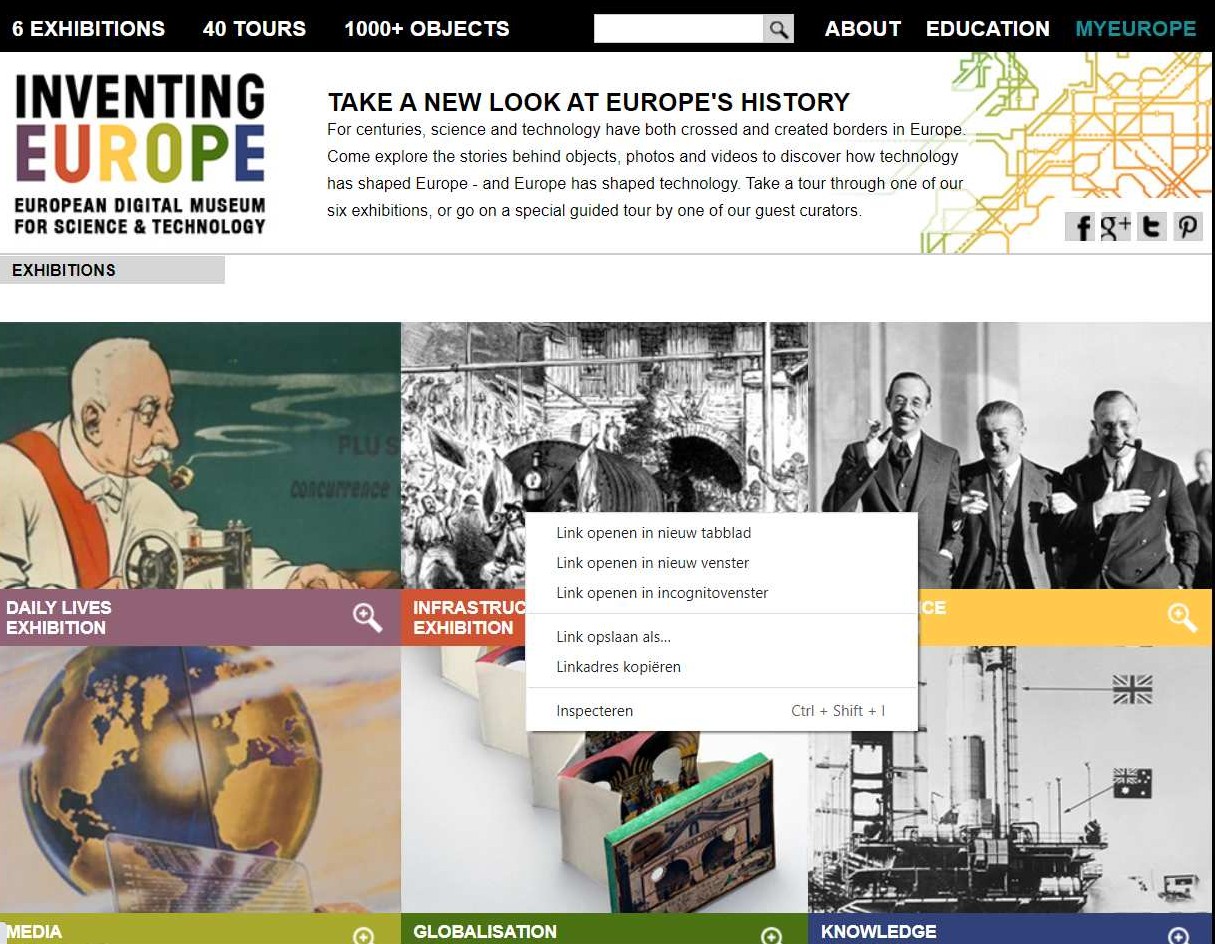
Website Making Europe Project:
Inventing Europe
For centuries, science and technology have both crossed and created borders in Europe. Come explore the stories behind objects, photos and videos to discover how technology has shaped Europe – and Europe has shaped technology. Take a tour through one of our six exhibitions, or go on a special guided tour by one of our guest curators.
- Daily Lives
- Infra structures
- Governance
- Media
- Globalisation
- Knowlegde societies
Making Europe is een initiatief van de SHT en werd mede mogelijk gemaakt door het SNS Reaal Fonds, het Netherlands Institute for Advanced Study in the Humanities and Social Sciences (NIAS), de Technische Universiteit Eindhoven, de European Science Foundation, Next Generation Infrastructures (NGI) en Philips.